Russia and China Veto UN Resolution to Reopen Strait of Hormuz Amid Ongoing Conflict
Originally: Russia and China veto watered-down UN resolution aimed at reopening the Strait of Hormuz
90% Headline Accuracy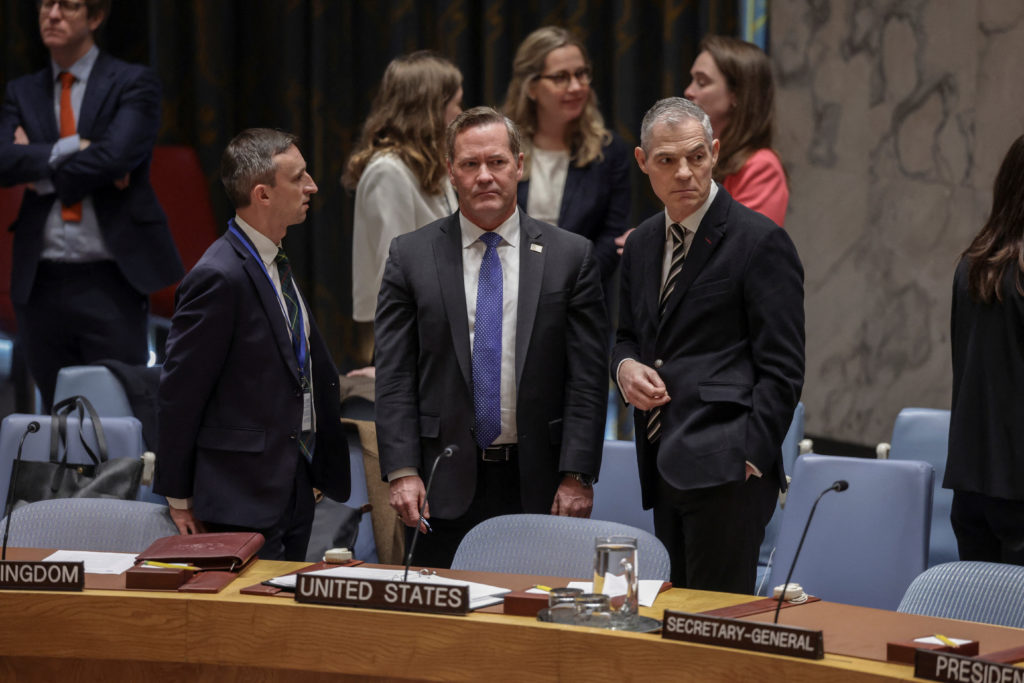
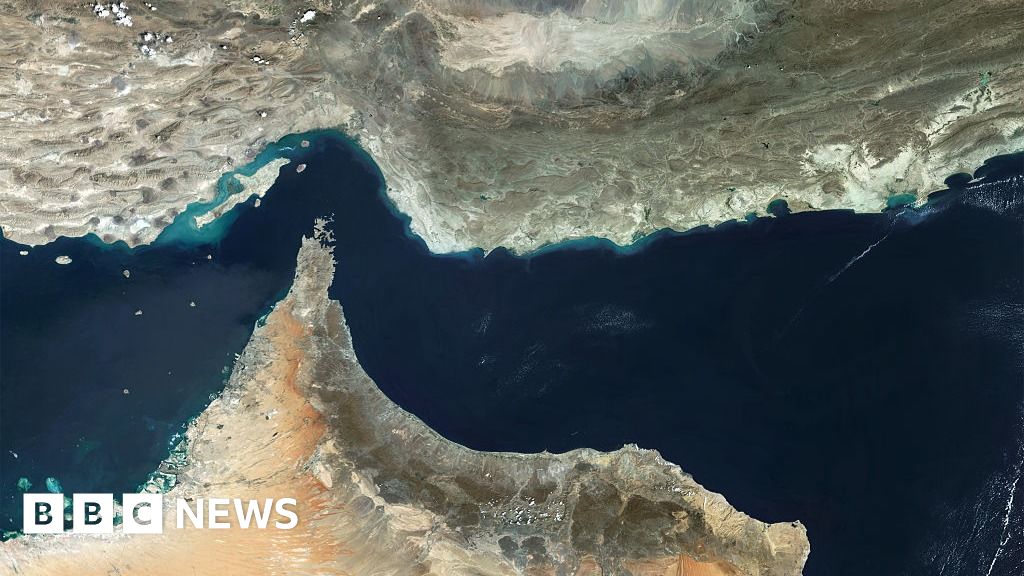
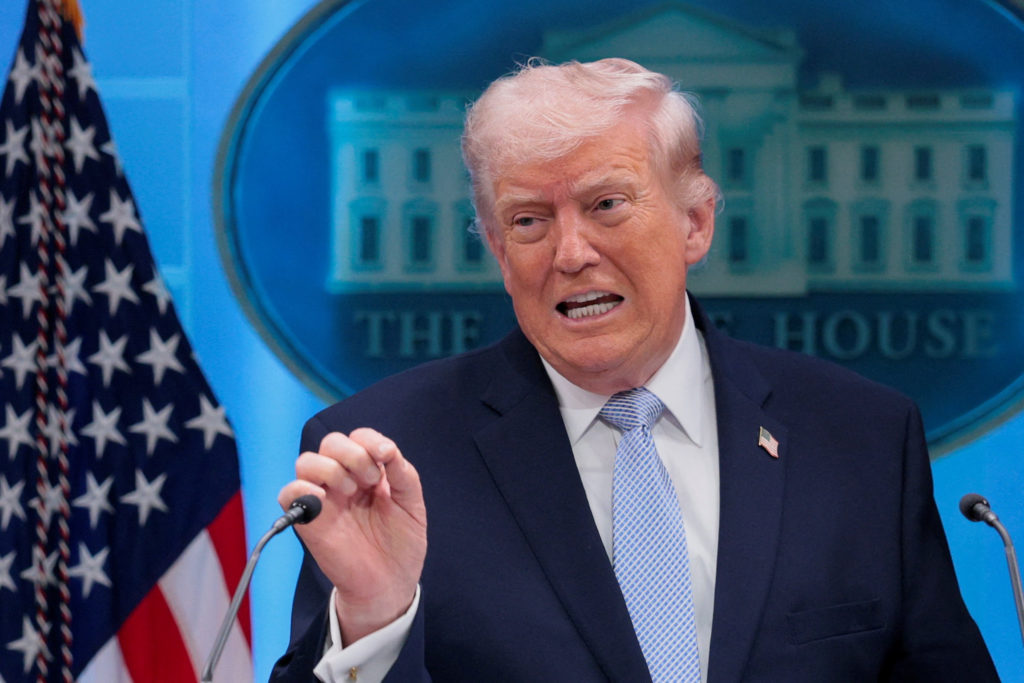
On April 7, 2026, Russia and China vetoed a U.N. Security Council resolution intended to reopen the Strait of Hormuz, which is crucial for global oil transit. The vote resulted in 11 in favor, 2 against, and 2 abstentions, occurring just before a deadline set by U.S. President Donald Trump for Iran to reopen the waterway. The resolution had been significantly weakened to avoid a veto, removing references to military action and limiting its scope. It called for states to coordinate defensive measures to ensure safe navigation. The veto reflects ongoing tensions and the complexity of international responses to Iran's actions in the region. This situation underscores the geopolitical stakes involved in the Strait of Hormuz, through which one-fifth of the world's oil passes.
Key Takeaways
- • Russia and China vetoed a U.N. resolution on April 7, 2026, aimed at reopening the Strait of Hormuz.
- • The resolution received 11 votes in favor, 2 against, and 2 abstentions.
- • The resolution was weakened to eliminate military action references after opposition from Russia, China, and France.
- • One-fifth of the world's oil passes through the Strait of Hormuz, making its security critical.
- • Iran's blockade of the strait is viewed as an existential threat by Gulf nations.
Why This Matters
The veto highlights the growing divide in international responses to Iran's military actions and the challenges of achieving consensus in the U.N. Security Council. As energy prices rise due to instability in the region, the implications of this veto could affect global oil markets and international relations, particularly among Gulf nations reliant on secure shipping routes.
Headline vs. Article Context
The headline accurately reflects the veto but does not emphasize the geopolitical implications.
This summary was generated by AI from original reporting by PBS NewsHour. Always verify important details with the original source.