Iran Accepts Two-Week Ceasefire Amid U.S. De-escalation Efforts
Originally: Iran's Supreme National Security Council says it has accepted two-week ceasefire in the war
85% Headline Accuracy
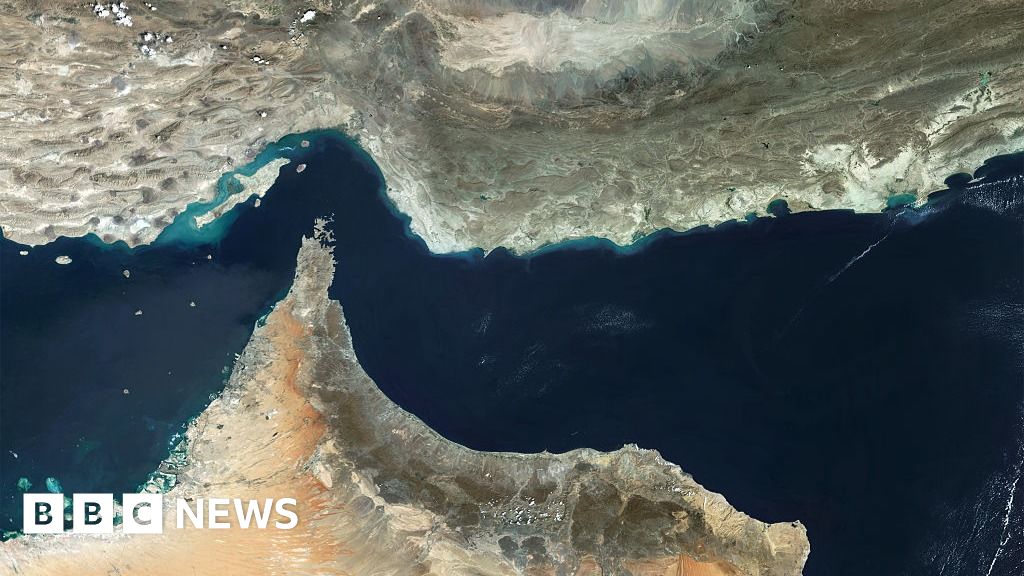
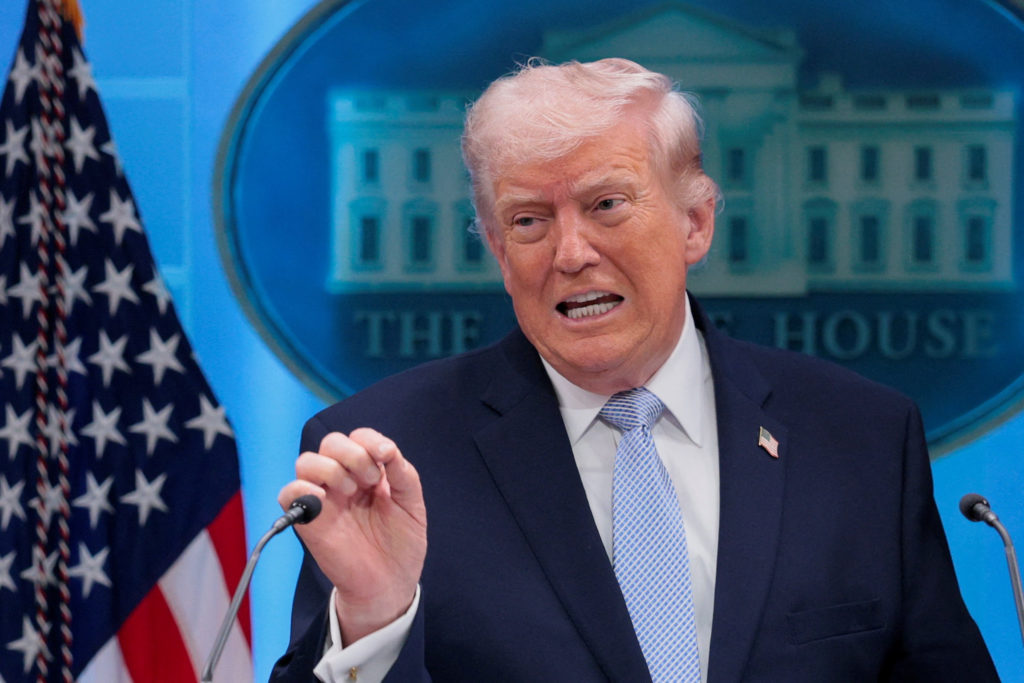
Iran's Supreme National Security Council has agreed to a two-week ceasefire in the ongoing war, which began on February 28, 2026. President Donald Trump announced he would suspend planned attacks on Iranian targets, contingent upon Iran's agreement to fully reopen the Strait of Hormuz. Trump indicated that a 'workable' 10-point peace plan proposed by Iran could facilitate negotiations. The ceasefire negotiations are set to take place in Islamabad starting Friday. This development highlights the fragile state of diplomacy in the region and the potential for further escalation if talks fail.
Key Takeaways
- • Iran's Supreme National Security Council accepted a two-week ceasefire on April 7, 2026.
- • President Trump stated he would suspend attacks on Iran if the Strait of Hormuz is fully reopened.
- • Trump's decision to delay military action followed discussions with Pakistan's Prime Minister Shehbaz Sharif and army chief Gen. Asim Munir.
- • Iran proposed a 10-point peace plan to help end the conflict initiated by the U.S. and Israel.
- • Negotiations are scheduled to begin in Islamabad on April 10, 2026.
Why This Matters
The ceasefire represents a critical moment in U.S.-Iran relations, reflecting ongoing tensions and the potential for diplomatic resolution. The Strait of Hormuz is a vital global shipping route, and any disruption could have significant implications for international oil markets. The outcome of the negotiations could set a precedent for future engagements in the region and influence broader geopolitical dynamics.
Headline vs. Article Context
The headline accurately reflects the acceptance of the ceasefire but does not emphasize the ongoing nature of the war.
This summary was generated by AI from original reporting by PBS NewsHour. Always verify important details with the original source.