Ancient Monastery from Early Christianity Discovered in Egypt's Desert
Originally: Ancient monastery from earliest centuries of Christianity unearthed at desert site
90% Headline Accuracy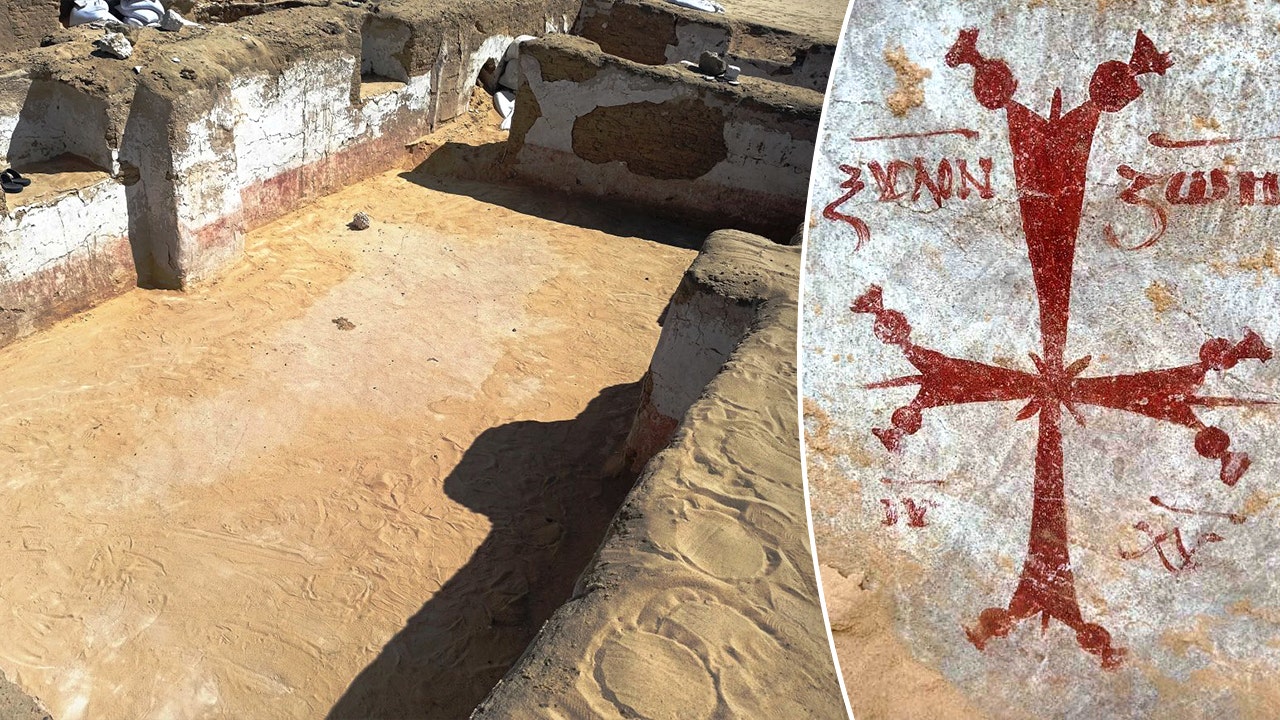
An ancient monastery dating from the fourth to sixth centuries A.D. has been uncovered in Wadi El-Natrun, Egypt, as announced by the Ministry of Tourism and Antiquities. The mudbrick structure spans approximately 21,528 square feet and features walls over three feet thick, with rooms about seven feet high. Archaeologists found human skeletal remains believed to belong to monks, along with wall paintings and inscriptions invoking mercy and forgiveness. Sherif Fathy, the minister of tourism and antiquities, stated that this discovery enhances understanding of monasticism's origins in Egypt. This find is significant as it adds to the growing body of evidence regarding early Christian monastic life and construction techniques in the region.
Key Takeaways
- • The monastery dates back to the fourth to sixth centuries A.D.
- • It measures approximately 21,528 square feet with walls over three feet thick.
- • Human skeletal remains believed to belong to monks were found at the site.
- • Inscriptions and wall paintings featuring crosses and plant motifs were uncovered.
- • This discovery follows a similar monastic complex found in Beheira Governorate on March 23.
Why This Matters
The discovery of the monastery in Wadi El-Natrun highlights the historical significance of Egypt as a center for early Christian monasticism, which has influenced religious practices worldwide. As archaeological efforts continue, these findings may reshape our understanding of early Christian communities and their architectural innovations, potentially attracting increased tourism to Coptic heritage sites.
Headline vs. Article Context
The headline accurately reflects the discovery but could emphasize the historical significance more.
This summary was generated by AI from original reporting by Fox News. Always verify important details with the original source.