Easter Truce in Ukraine Lasts Only 38 Minutes Amid Ongoing Conflict
Originally: 'We need real peace': Easter truce fails to lift grim mood in war-torn Ukraine
90% Headline Accuracy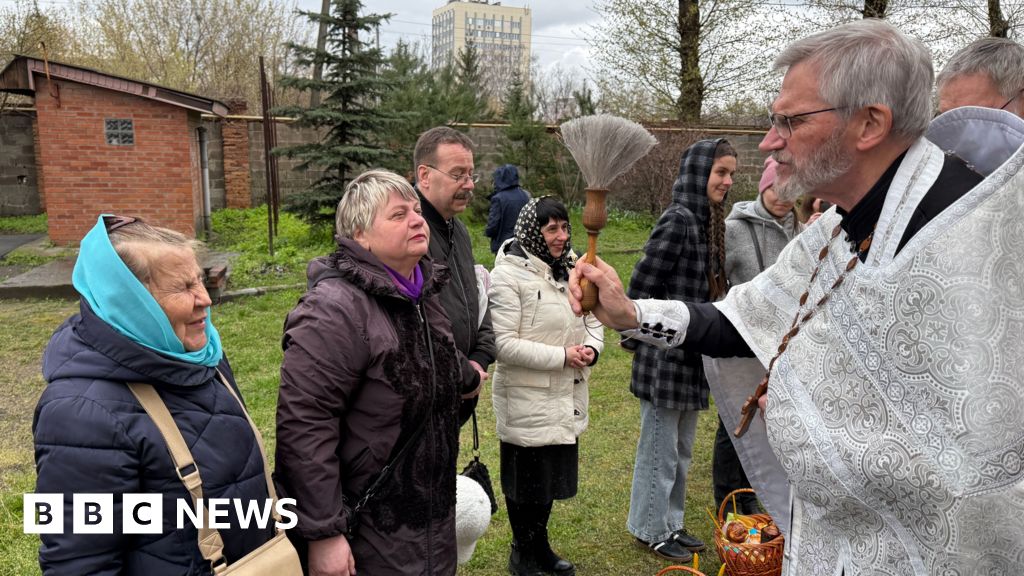
An Orthodox Easter truce between Russia and Ukraine began on April 15, 2023, but was interrupted by air raid sirens in Kharkiv just 38 minutes later. Despite the ceasefire, multiple violations were reported along the frontline, with Ukrainian President Volodymyr Zelensky emphasizing the need for 'real peace.' Local residents expressed skepticism about the truce's effectiveness, with one parishioner stating, 'Maybe there will be a pause, but then Russia will only launch even more intense attacks.' The ongoing conflict continues to devastate communities, with many civilians yearning for lasting peace rather than temporary relief.
Key Takeaways
- • The Easter truce began on April 15, 2023, but was interrupted by air raid sirens in Kharkiv just 38 minutes later.
- • Ukrainian President Volodymyr Zelensky warned of strict responses to any Russian actions during the truce.
- • Local residents, including parishioners at St John's church, expressed doubt about the truce's effectiveness, fearing increased attacks.
- • The conflict has left many buildings in Kharkiv region heavily damaged, with recent missile strikes resulting in civilian casualties.
- • Ukrainian forces are preparing for potential attacks during the ceasefire, with military units remaining on alert.
Why This Matters
The brief Easter truce underscores the fragile nature of ceasefires in the ongoing conflict between Russia and Ukraine, revealing deep-seated mistrust on both sides. As the war continues to affect civilian lives and infrastructure, the need for genuine peace negotiations becomes increasingly urgent, especially as Ukraine seeks stronger security guarantees from its allies.
Headline vs. Article Context
The headline emphasizes the brevity of the truce, which aligns with the article's focus on the ongoing conflict.
This summary was generated by AI from original reporting by BBC World. Always verify important details with the original source.