Astronauts Propose Naming Moon Crater 'Carroll' After Commander's Late Wife
Originally: Astronauts suggest naming a moon crater 'Carroll' after their commander's late wife
95% Headline Accuracy
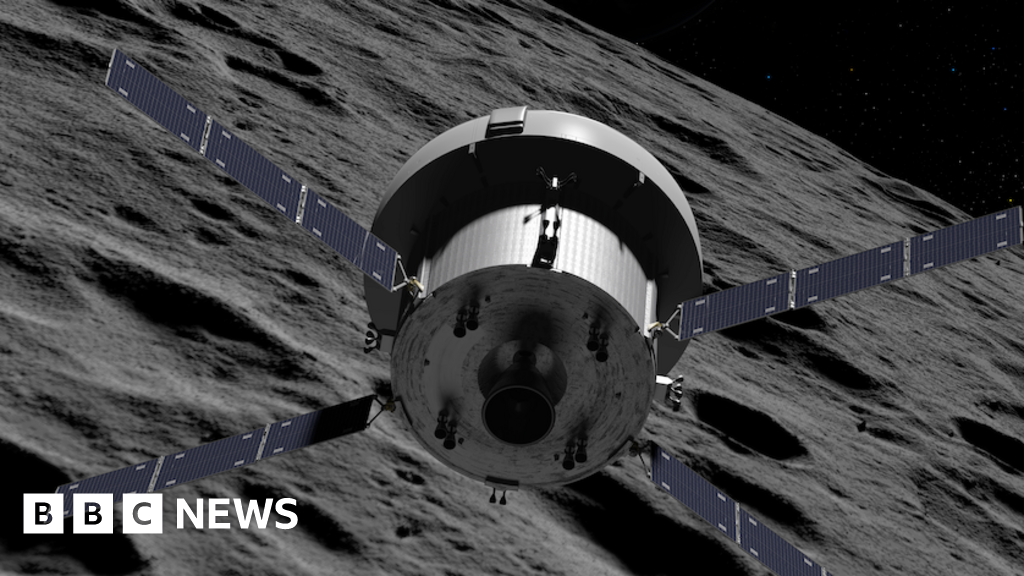
During the Artemis II mission, astronauts proposed naming a moon crater 'Carroll' in honor of commander Reid Wiseman's late wife, who passed away from cancer in 2020 at age 46. The crew, which includes mission specialist Jeremy Hansen, suggested the name for a crater that will be visible from Earth during specific lunar transits. Hansen expressed the emotional significance of the name, stating, 'A number of years ago, we started this journey... her name was Carroll.' The proposals will be submitted to the International Astronomical Union for official approval after the mission. This gesture highlights the personal connections astronauts maintain even in the vastness of space.
Key Takeaways
- • The Artemis II crew broke the record for the farthest distance from Earth traveled by humans on April 7, 2026.
- • The proposed name 'Carroll' honors Reid Wiseman's wife, who died in 2020 at age 46.
- • The crater is located in a visible area on the moon, making it significant for Earth observers.
- • NASA will submit the naming proposals to the International Astronomical Union for approval after the mission.
- • Reid Wiseman has described solo parenting as his greatest challenge and reward following his wife's death.
Why This Matters
The proposal to name a moon crater after Carroll Wiseman reflects the deep personal connections astronauts have with their families and the emotional weight of their journeys. This event also underscores the ongoing legacy of human space exploration, where personal stories intertwine with scientific achievements. As the Artemis program aims to return humans to the moon, such gestures may inspire future missions to honor those who have supported astronauts throughout their careers.
This summary was generated by AI from original reporting by NPR. Always verify important details with the original source.