Artemis II Crew Returns After Historic Lunar Fly-By
Originally: Artemis II crew head for home after travelling further from Earth than anyone before
95% Headline Accuracy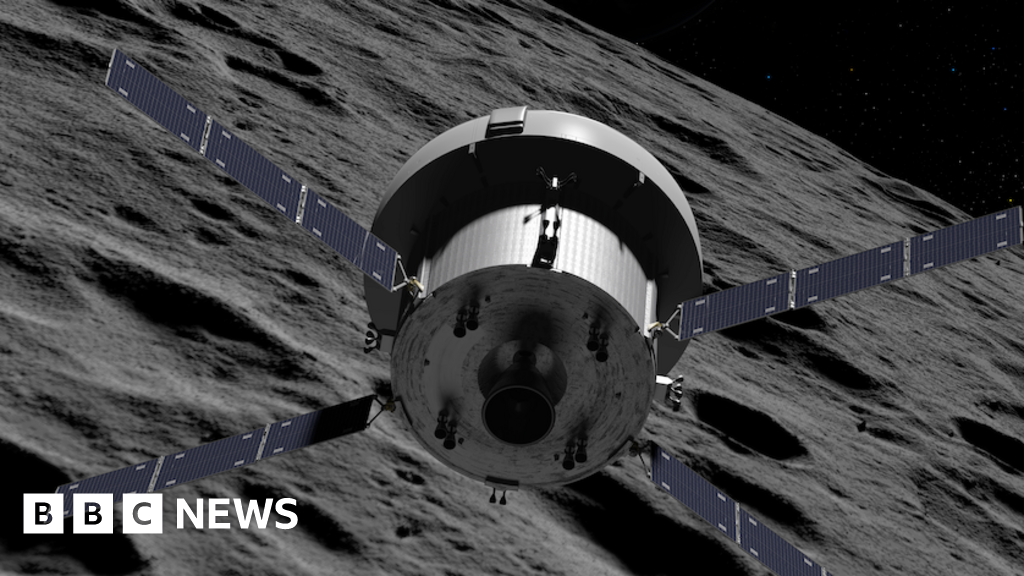
The Artemis II crew, consisting of four astronauts, has successfully completed a lunar fly-by, traveling further from Earth than any humans before. The spacecraft, Orion, broke the previous record of 248,655 miles set by Apollo 13, achieving this milestone at approximately 13:56 EDT on Monday. During the mission, the crew lost contact with Earth for 40 minutes while behind the Moon, and upon re-establishing communication, astronaut Christina Koch expressed joy at reconnecting with Earth. The mission serves as a critical test for future lunar landings and potential Mars missions, marking significant progress in human space exploration.
Key Takeaways
- • The Artemis II mission achieved a new record for human travel distance, surpassing 248,655 miles set by Apollo 13.
- • The crew experienced a 40-minute communication blackout while flying behind the Moon.
- • Astronaut Jeremy Hansen requested to name two lunar craters, one after the Orion capsule and another in memory of his late wife, Carroll.
- • The mission included capturing images and audio descriptions of the Moon's far side, which has never been seen by humans before.
- • NASA plans to use data from this mission to prepare for future crewed lunar landings and Mars exploration.
Why This Matters
The Artemis II mission is a pivotal step in NASA's broader goals of returning humans to the Moon and eventually sending them to Mars, marking a new era in space exploration. This mission not only honors past achievements but also sets the stage for future scientific endeavors and technological advancements in human spaceflight.
Headline vs. Article Context
The headline emphasizes the historic aspect of the mission, aligning well with the article's content.
This summary was generated by AI from original reporting by BBC News. Always verify important details with the original source.