Artemis II Astronauts Set New Distance Record During Lunar Flyby
Originally: Artemis II astronauts swung by the moon, broke an Apollo record, and saw an eclipse
90% Headline Accuracy
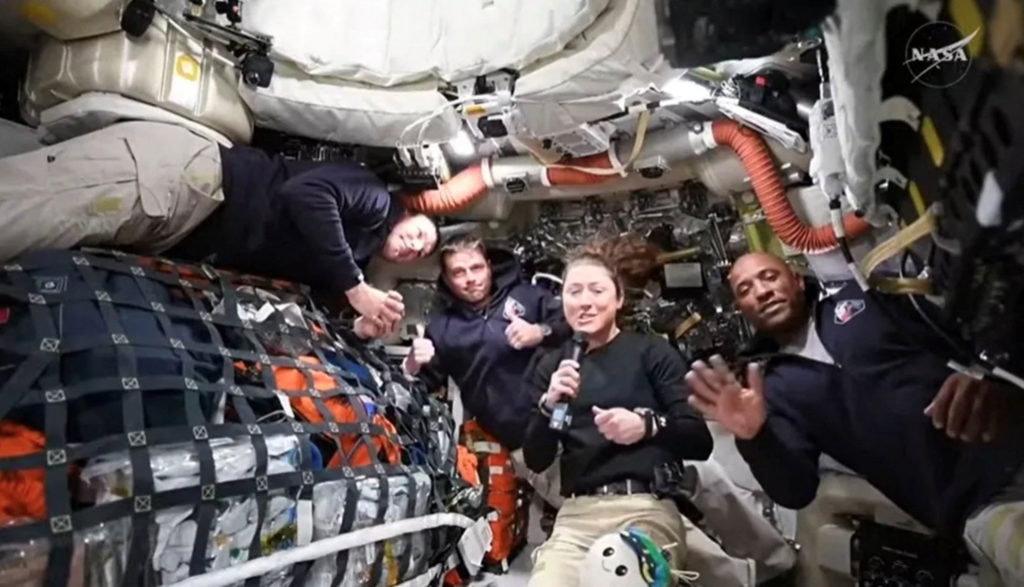
The Artemis II mission crew, consisting of four astronauts, has successfully completed a lunar flyby, traveling 252,756 miles from Earth, surpassing the Apollo 13 record by 4,111 miles. During the mission, the crew experienced a 40-minute communication blackout as they passed behind the moon, reaching a closest approach of 4,067 miles above the lunar surface. Mission specialist Christina Koch expressed their commitment to future lunar exploration, stating, "We will explore, we will build... we will always choose Earth." The crew gathered valuable geological observations and data, which will inform future missions, including potential landings as early as 2028. This mission marks a significant step in NASA's Artemis program aimed at returning humans to the moon and beyond.
Key Takeaways
- • Artemis II crew traveled 252,756 miles from Earth, breaking Apollo 13's record by 4,111 miles.
- • The crew experienced a 40-minute communication blackout while passing behind the moon.
- • Astronauts made geological observations of 35 lunar sites and captured thousands of photos.
- • The mission included a solar eclipse observation as the moon transited in front of the sun.
- • The crew dedicated a crater on the moon to commander Reid Wiseman's late wife, Carroll.
Why This Matters
The Artemis II mission is pivotal for NASA's long-term goals of lunar exploration and establishing a sustainable presence on the moon. By gathering firsthand geological data and testing spacecraft capabilities, this mission lays the groundwork for future human landings and potential colonization efforts, reflecting a renewed commitment to space exploration in the 21st century.
Headline vs. Article Context
The headline emphasizes the record-setting aspect of the mission, which aligns with the article's content but does not mention the eclipse observation.
This summary was generated by AI from original reporting by NPR. Always verify important details with the original source.