Artemis II Astronauts Test New Heat Shield Reentry Technique After Artemis I Issues
Originally: A cracked heat shield rattled NASA after Artemis I. Now, Artemis II will put the fix to the test
90% Headline Accuracy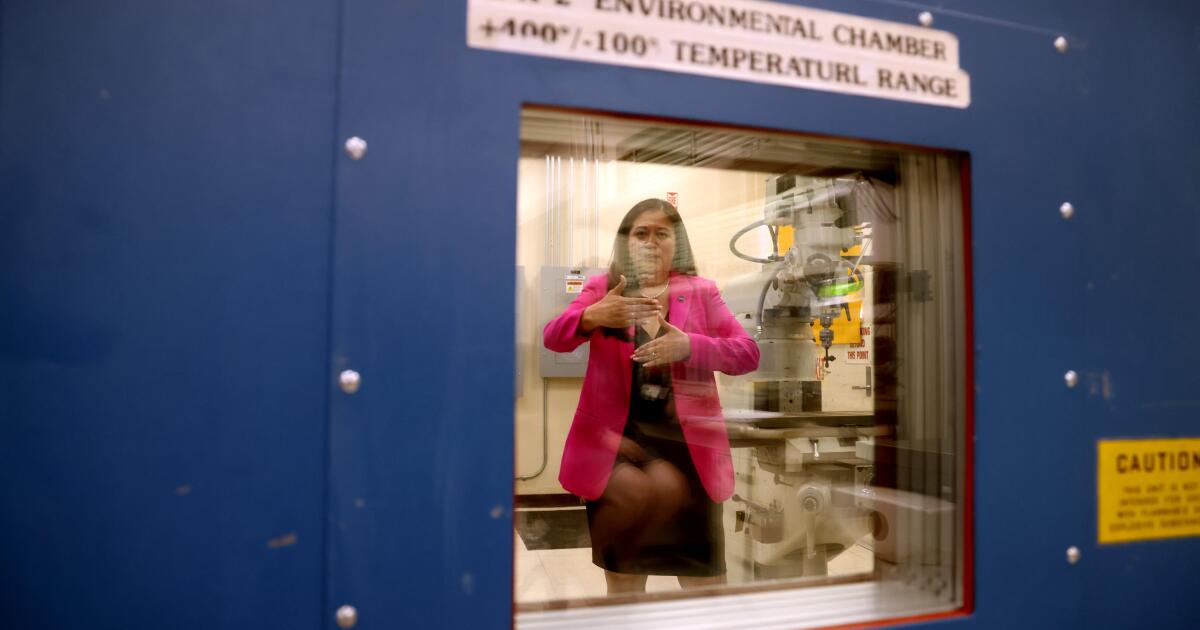
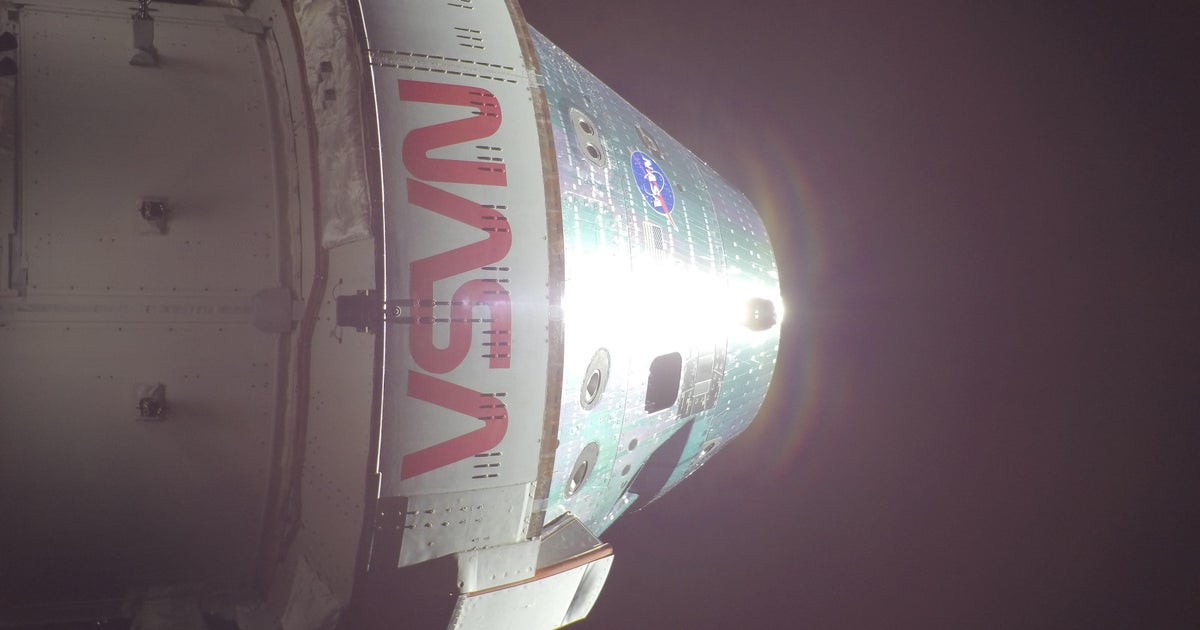
NASA's Artemis II astronauts are set to return from the moon on Friday, reentering Earth's atmosphere at over 32 times the speed of sound. Following unexpected damage to the heat shield during the Artemis I mission in 2022, NASA has opted for a new reentry path to ensure astronaut safety. Project manager Robert Navarro emphasized the precision required for data collection during this critical phase. A fortified sensor will also be collected post-splashdown to further study the heat shield's performance. The success of this mission is crucial for future crewed lunar explorations.
Key Takeaways
- • Artemis II astronauts will return from the moon on Friday, reentering at over 32 times the speed of sound.
- • The heat shield of the Artemis I capsule suffered damage due to an unexpected reentry issue, prompting a redesign of the reentry path.
- • NASA has opted for a simpler reentry approach instead of redesigning the heat shield for Artemis II.
- • Detailed data collection will be conducted by a team of NASA and Department of Defense scientists during reentry.
- • A fortified sensor will be collected after splashdown to study the heat shield's performance up close.
Why This Matters
The Artemis II mission is a pivotal step in NASA's broader goal of returning humans to the moon and eventually to Mars. Addressing the heat shield issues from Artemis I not only ensures astronaut safety but also enhances the reliability of future missions, reflecting ongoing advancements in space exploration technology.
Headline vs. Article Context
The headline emphasizes the testing aspect, which aligns with the article's focus on the heat shield's performance.
This summary was generated by AI from original reporting by LA Times. Always verify important details with the original source.