Kilauea Volcano Erupts in Hawaii, Launching Lava 200 Meters High
Originally: Lava bursts forth as Hawaii’s Kilauea volcano erupts
95% Headline Accuracy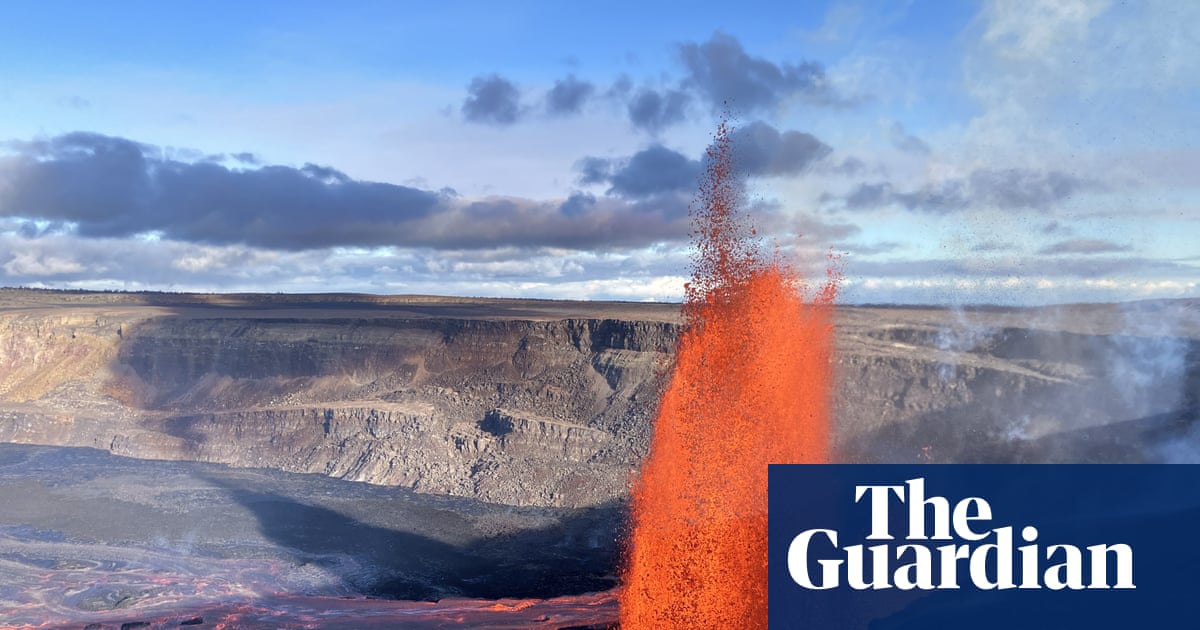
Kilauea, one of the world's most active volcanoes located on Hawaii's Big Island, erupted on Thursday, sending lava fountains over 200 meters into the air. The eruption began after 11 am local time, producing approximately 3.6 million cubic yards of lava, according to the United States Geological Survey (USGS). The Hawaii Volcanoes National Park was closed due to the eruption, with the National Park Service advising visitors to take precautions against volcanic ash. An ashfall warning was issued for the southeastern region of the Big Island, predicting large tephra up to football size may fall nearby. Kilauea has a history of eruptions, with a significant event in 2018 displacing residents. This eruption highlights ongoing volcanic activity in the region and its potential impact on tourism and safety.
Key Takeaways
- • Kilauea erupted on Thursday, sending lava fountains 200 meters high.
- • The eruption produced approximately 3.6 million cubic yards of lava.
- • Hawaii Volcanoes National Park was closed due to the eruption and ashfall warnings.
- • An ashfall warning was issued for the southeastern region of the Big Island until midnight local time.
- • Kilauea has erupted dozens of times since 1952, with a significant eruption in 2018 displacing residents.
Why This Matters
The eruption of Kilauea is a reminder of the ongoing volcanic activity in Hawaii, which poses risks to both residents and tourists. The historical context of past eruptions, particularly the devastating 2018 event, underscores the importance of monitoring volcanic activity for public safety and environmental impact. As tourism is a significant part of Hawaii's economy, the closure of the national park may affect visitor numbers and local businesses.
This summary was generated by AI from original reporting by The Guardian US. Always verify important details with the original source.