Japanese Researchers Study 800-Year-Old Records for Solar Storm Insights
Originally: Japanese researchers look at 800-year-old books and trees for signs of extreme solar events
90% Headline Accuracy
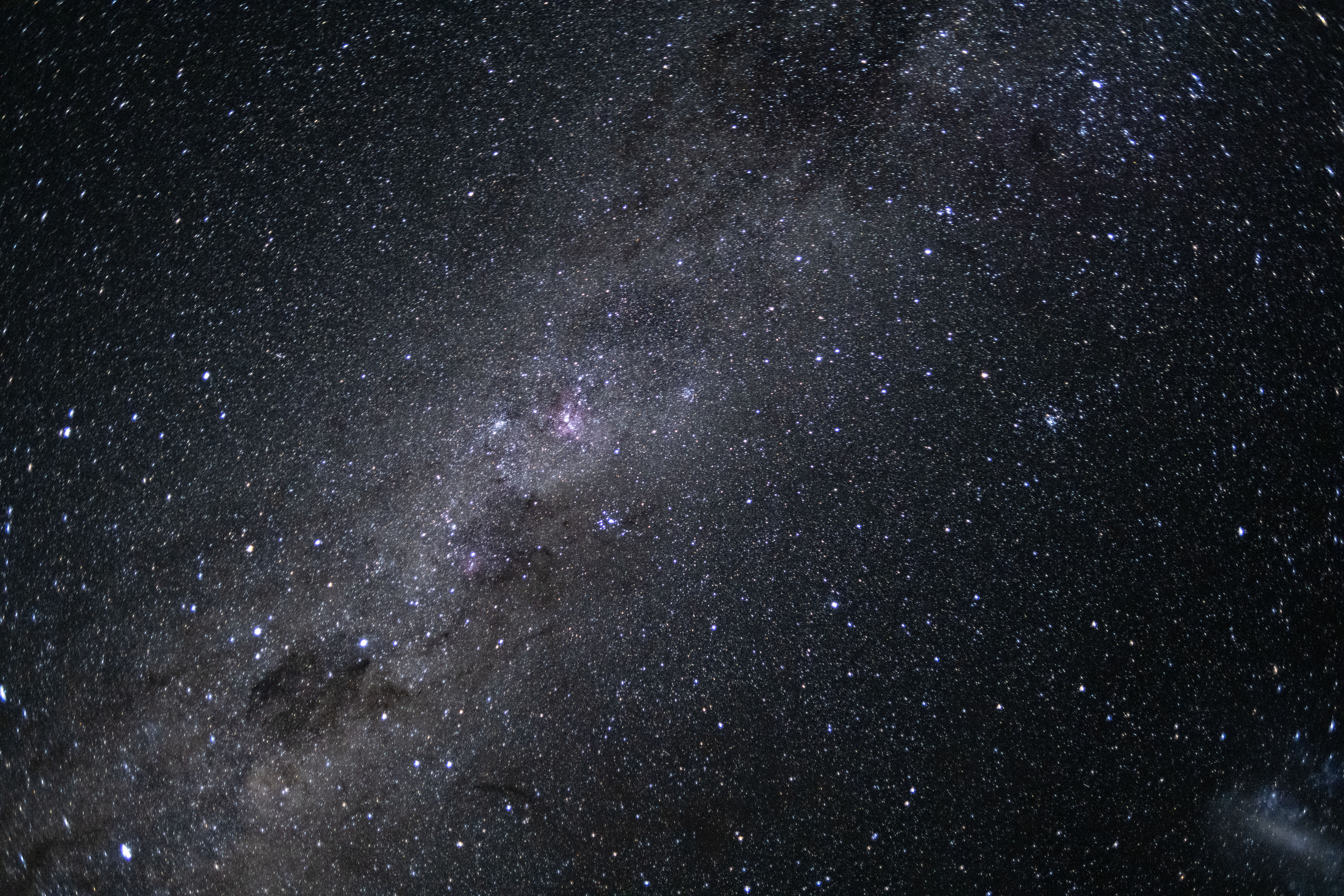
On February 21, 1204, poet Fujiwara no Teika documented a strange red light in the night sky over Kyoto, which is now believed to be an aurora. His observations, recorded two days apart, are aiding modern scientists in understanding solar storms, which involve explosive solar activity. Researchers are examining both historical texts and tree rings to uncover patterns in solar events. This study highlights the significance of historical records in contemporary scientific research. Understanding solar storms is crucial for predicting their potential impact on technology and climate.
Key Takeaways
- • Fujiwara no Teika recorded a red sky phenomenon in Kyoto on February 21, 1204.
- • The observations are believed to relate to rare auroras in low-altitude areas.
- • Researchers are using historical texts and tree rings to study solar storm patterns.
- • Understanding solar storms is important for predicting their effects on modern technology.
Why This Matters
This research connects historical observations with modern science, illustrating how ancient records can inform current understanding of solar activity. As solar storms can disrupt technology and climate systems, insights gained from this study may help mitigate future risks associated with solar events.
This summary was generated by AI from original reporting by The Japan Times. Always verify important details with the original source.