South Carolina's Measles Outbreak Poses Risk to Unvaccinated Infants
Originally: Too young for the MMR shot, babies become ‘sitting ducks’ in measles outbreaks
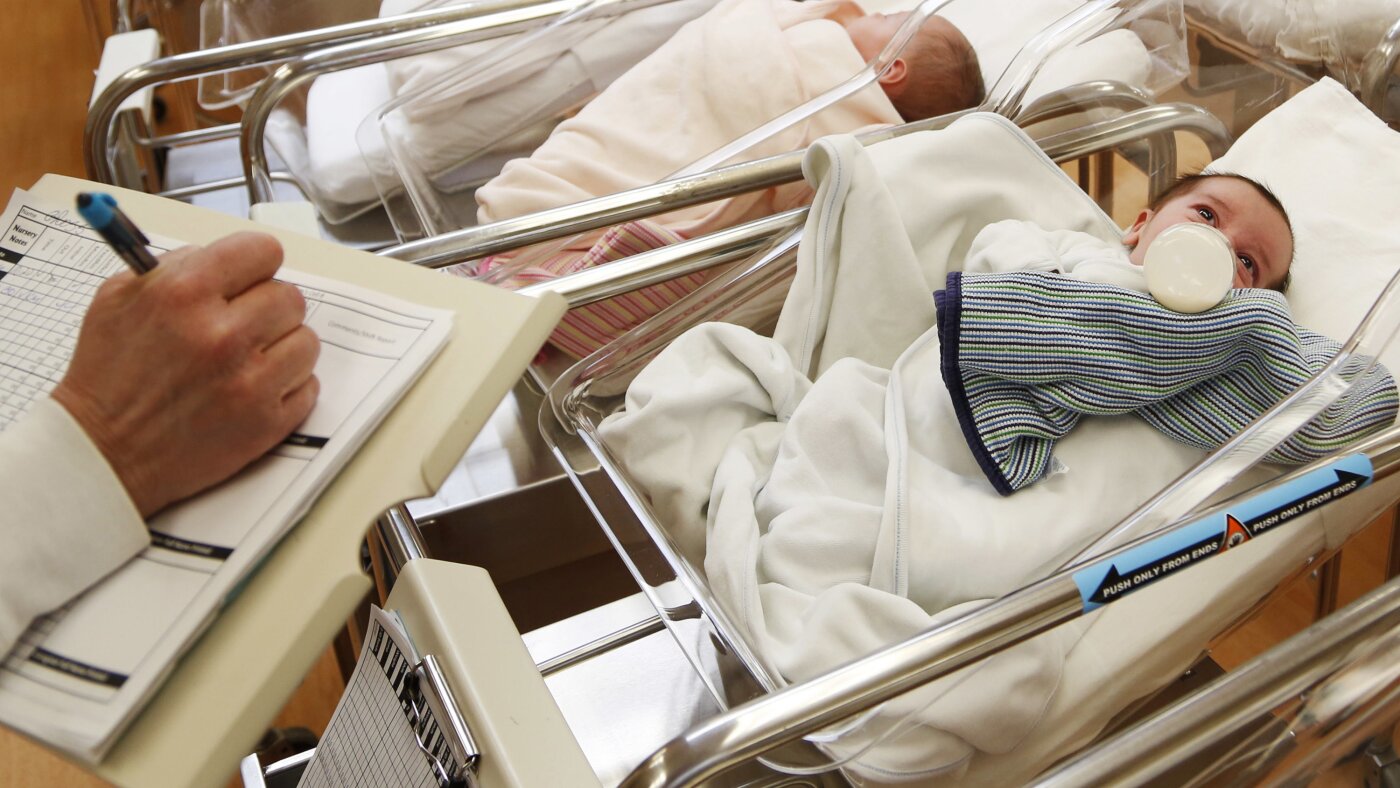
90% Headline AccuracyIn South Carolina, the largest measles outbreak in the U.S. in over 35 years has left infants too young for vaccination particularly vulnerable. As of March 2026, the outbreak has resulted in approximately 1,000 cases, with 253 affecting children aged four and under. Health officials warn that vaccination rates have dropped, with less than 90% of students in Spartanburg County fully vaccinated. Dr. Deborah Greenhouse stated, "Babies become sitting ducks," emphasizing the need for community protection. The situation underscores the urgent need for increased vaccination efforts as measles spreads across multiple states.
Key Takeaways
- • South Carolina's measles outbreak has resulted in approximately 1,000 cases as of March 2026.
- • 253 of the reported cases are among children aged four and under.
- • Less than 90% of students in Spartanburg County have received required vaccinations.
- • National MMR vaccination rates dropped to 92.5% among kindergartners in the 2024-25 school year.
- • In 2026, the U.S. logged 1,671 measles cases in the first three months, representing 73% of the total cases from 2025.
Why This Matters
The resurgence of measles in South Carolina reflects a troubling trend of declining vaccination rates across the U.S., which threatens herd immunity. With policymakers increasingly framing vaccination as a matter of personal choice, the risk of outbreaks will likely continue to grow, potentially reversing decades of progress in public health. The upcoming decisions by health officials regarding the status of measles elimination in the U.S. will be crucial.
Headline vs. Article Context
The headline emphasizes the risk to babies, which aligns with the article's focus on their vulnerability.
This summary was generated by AI from original reporting by Associated Press. Always verify important details with the original source.