CDC Report on Covid Vaccine Benefits Delayed by Acting Director
Originally: Alarm as acting CDC director delays report showing Covid vaccine benefits
90% Headline Accuracy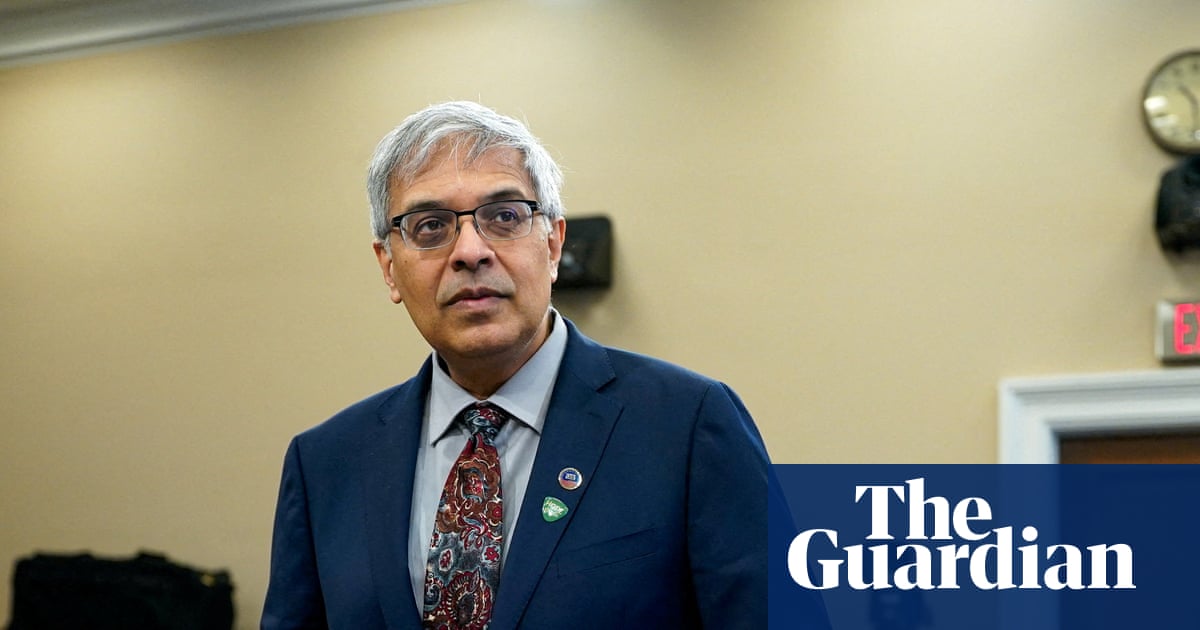
The acting CDC director, Jay Bhattacharya, has postponed the publication of a report indicating that the Covid vaccine reduced hospitalizations for healthy adults by 55% and emergency visits by 50% between September and December 2025. Concerns about the report's methodology, which has been standard for two decades, prompted the delay. Experts, including former CDC adviser Dr. Fiona Havers, expressed alarm, stating that this reflects an ongoing effort by the Trump administration to undermine vaccine science. The report was initially scheduled for release on March 19, 2026. This situation highlights the contentious political climate surrounding vaccine research and public health recommendations.
Key Takeaways
- • The CDC report indicated a 55% reduction in Covid-related hospitalizations for vaccinated healthy adults from September to December 2025.
- • Emergency room visits for vaccinated individuals were reduced by 50%, according to the same report.
- • The report's publication was delayed from March 19, 2026, due to concerns over its methodology, which has been used for two decades.
- • Dr. Fiona Havers, a former CDC adviser, criticized the delay as part of a broader effort by the Trump administration to undermine vaccine science.
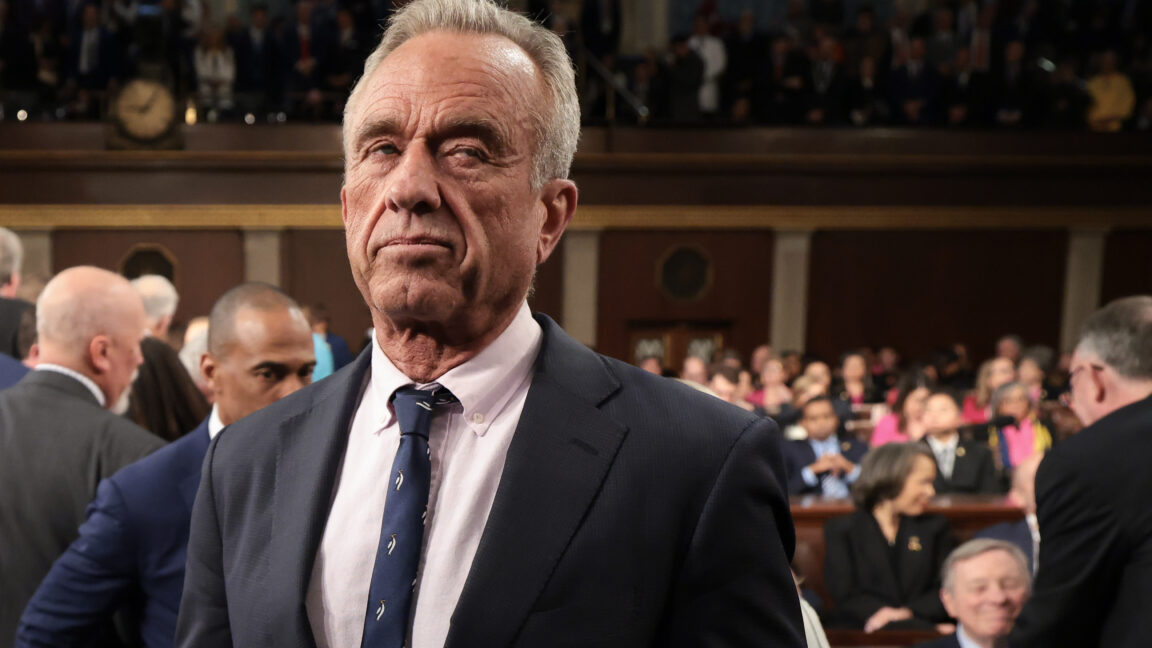
- • Health Secretary Robert F. Kennedy Jr. has been a vocal critic of Covid vaccines, impacting CDC policies and personnel.
Why This Matters
The delay of the CDC report underscores the ongoing political tensions surrounding public health and vaccine efficacy, particularly as the 2026 midterms approach. This incident may reflect a broader trend of politicization in health agencies, potentially affecting public trust in vaccines and health recommendations. The implications of this delay could influence future vaccine uptake and public health strategies.
Headline vs. Article Context
The headline emphasizes the delay but does not fully capture the political implications discussed in the article.
This summary was generated by AI from original reporting by The Guardian US. Always verify important details with the original source.