Singapore's Resorts World Sentosa Halts Dolphin Sourcing and Breeding
Originally: Singapore resort said to halt controversial dolphin sourcing, breeding
95% Headline Accuracy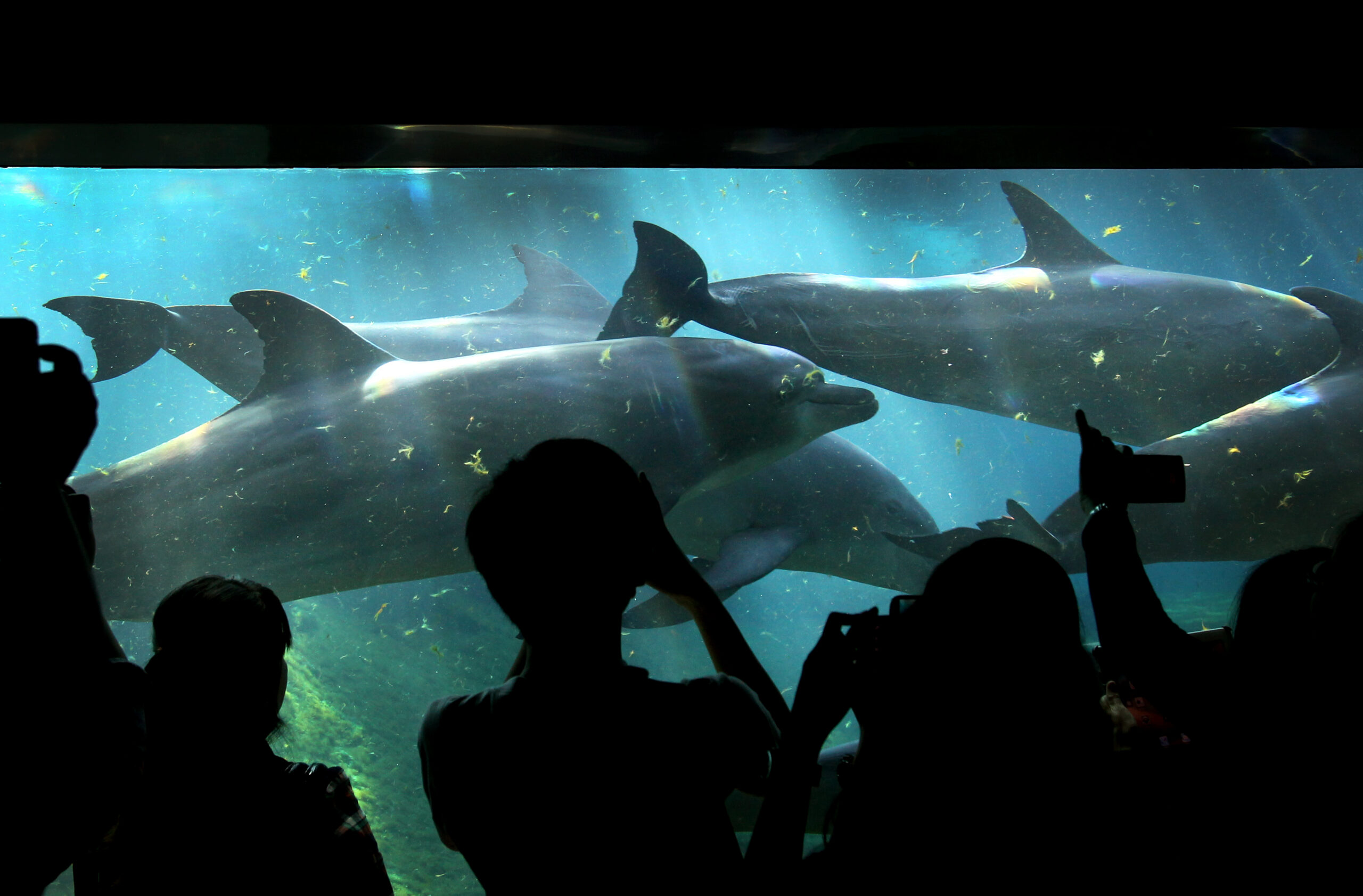
Resorts World Sentosa (RWS) in Singapore has ceased sourcing dolphins from the wild and suspended its captive breeding program. The facility is evaluating the future of over 20 Indo-Pacific bottlenose dolphins, primarily captured from the Solomon Islands in 2008 and 2009. Experts suggest that rehabilitation and potential release into natural environments could be feasible, with Lincoln O’Barry from the Dolphin Project stating, 'Some dolphins can adapt after years in captivity, some can’t.' The decision reflects a growing global trend against cetacean captivity, as countries like Mexico and Canada have enacted bans. This shift raises questions about the ethical implications of keeping dolphins in captivity and the future of marine mammal exhibitions worldwide.
Key Takeaways
- • RWS has held over 20 Indo-Pacific bottlenose dolphins since 2013, sourced from the Solomon Islands.
- • The last dolphin born at RWS was Kenzo, a male now 7 years old.
- • At least four of the original 27 dolphins died during transit or from infections between 2010 and 2014.
- • Countries like Mexico and Canada have recently banned the captivity of cetaceans for entertainment.
- • The decision to halt sourcing and breeding is seen as a positive step for animal welfare in Singapore.
Why This Matters
The decision by RWS aligns with a broader global movement toward recognizing the welfare of intelligent marine mammals and reducing their captivity. As public awareness of animal rights grows, facilities that continue to hold cetaceans may face increasing scrutiny and reputational risks, potentially influencing future policies and practices in marine entertainment worldwide.
This summary was generated by AI from original reporting by Mongabay. Always verify important details with the original source.