Saharan Dust Plume Affects North Africa and Canary Islands on March 30, 2026
Originally: March of the Harmattan
90% Headline Accuracy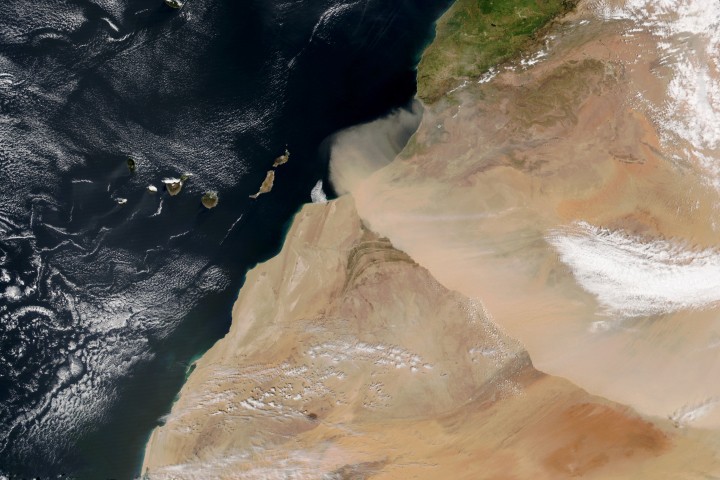
On March 30, 2026, a significant dust plume from the Sahara Desert spread over northwestern Africa, moving southwest towards the Atlantic Ocean. The MODIS satellite captured the dust at approximately 10:00 UTC, while the VIIRS satellite recorded it four hours later. Officials in Morocco issued alerts due to low visibility and harsh conditions caused by the harmattan winds, which typically occur between November and April. The Spanish meteorological agency AEMET noted that the conditions were favorable for a harmattan surge, which intensified the dust storm. The dust was expected to worsen air quality and visibility in the Canary Islands through April 1. This event highlights the seasonal patterns of Saharan dust storms and their impact on air quality in surrounding regions.
Key Takeaways
- • A dust plume from the Sahara Desert spread over northwestern Africa on March 30, 2026.
- • The MODIS satellite captured images of the dust at 10:00 UTC, while VIIRS captured it four hours later.
- • Morocco issued alerts for low visibility and harsh conditions due to the harmattan winds.
- • AEMET reported that the harmattan winds blow from the northeast and can produce dust storms.
- • The dust was expected to affect air quality in the Canary Islands until at least April 1.
Why This Matters
Dust storms from the Sahara have significant implications for air quality and health in affected regions. Understanding the patterns and effects of these storms is crucial as they can disrupt daily life and impact travel and agriculture. This event also underscores the ongoing challenges posed by climate variability and its effects on weather patterns in North Africa and Europe.
Headline vs. Article Context
The headline accurately reflects the article's focus on the dust plume's effects.
This summary was generated by AI from original reporting by NASA News. Always verify important details with the original source.