Rice's Whale Faces Extinction Threat Amid Gulf Drilling Expansion Plans
Originally: What to know about Rice's whale, a rare species in the way of Trump's plans for more Gulf drilling
90% Headline Accuracy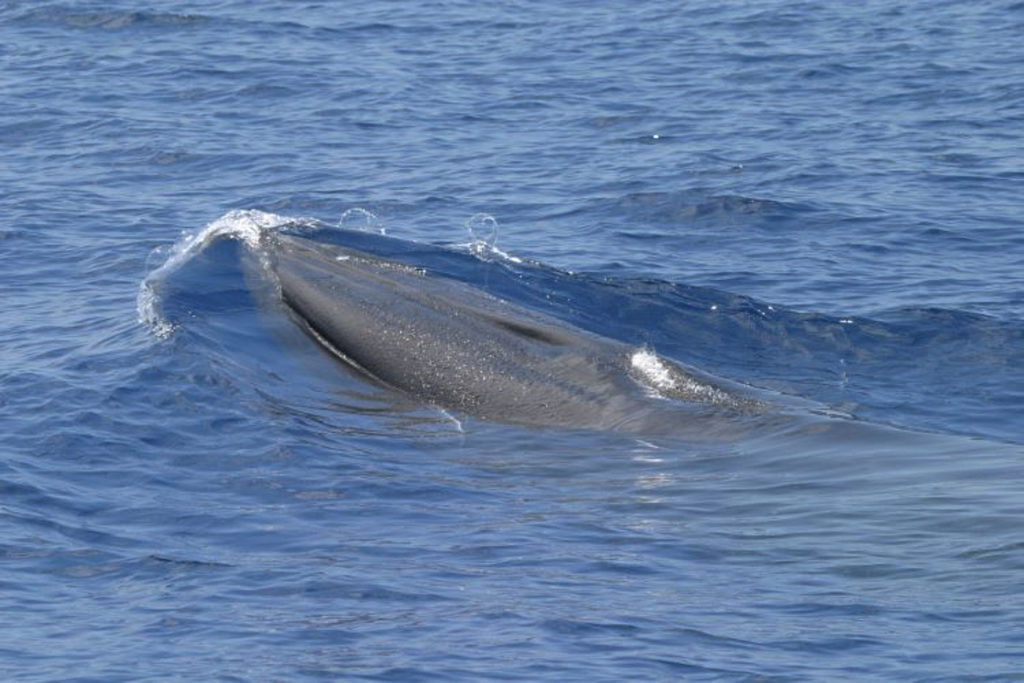
Rice's whale, one of the world's rarest whale species, is found only in the Gulf of Mexico, where its population is estimated to be fewer than 100 individuals. The Trump administration's plans to expand oil and gas drilling in the region raise concerns among scientists, who warn that increased vessel traffic, noise pollution, and oil spills could push the species closer to extinction. Defense Secretary Pete Hegseth has sought exemptions from endangered species laws, which the Endangered Species Committee granted. Experts highlight that the drilling could also endanger other species, including manatees and sea turtles. The situation underscores the ongoing conflict between environmental protection and energy demands, particularly as energy prices rise due to geopolitical tensions.
Key Takeaways
- • Rice's whale population is estimated to be fewer than 100, possibly under 50.
- • The species was recognized as distinct in 2021 and lives year-round in the Gulf of Mexico.
- • The Endangered Species Committee granted an exemption for drilling, citing national security concerns.
- • Increased drilling poses risks not only to Rice's whales but also to manatees and endangered sea turtles.
- • The Trump administration's actions may set a precedent for future exemptions from environmental protections.
Why This Matters
The plight of Rice's whale reflects a larger trend of environmental degradation due to industrial activities, particularly in sensitive ecosystems like the Gulf of Mexico. The decision to exempt drilling from endangered species protections raises concerns about the future of biodiversity and the potential for similar exemptions in other regions, threatening various endangered species across the U.S.
Headline vs. Article Context
The headline emphasizes the threat to Rice's whale but does not fully capture the broader implications for other endangered species and environmental concerns.
This summary was generated by AI from original reporting by PBS NewsHour. Always verify important details with the original source.