US-Iran Ceasefire Talks Fail in Islamabad, Next Steps Uncertain
Originally: Failed US-Iran talks in Pakistan raise questions about fragile ceasefire
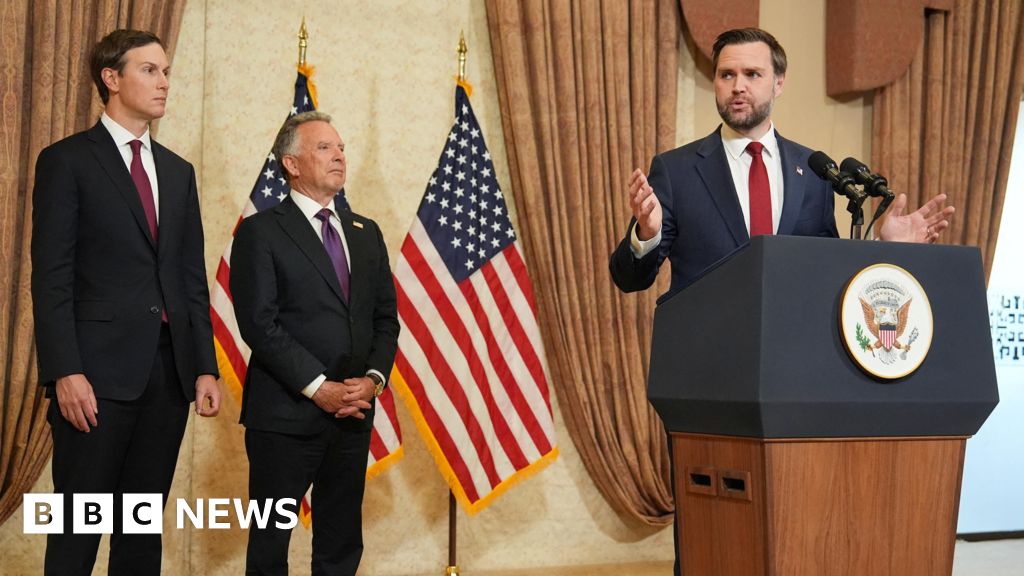
90% Headline AccuracyCeasefire negotiations between the U.S. and Iran concluded without an agreement in Islamabad on April 12, 2026, raising concerns about the upcoming expiration of a two-week truce on April 22. Both parties blamed each other for the failure, with U.S. Vice President JD Vance stating that Iran did not provide assurances against developing nuclear weapons. Iran's Parliament Speaker Mohammad Bagher Qalibaf emphasized the need for the U.S. to build trust. The ongoing conflict has already caused significant regional instability and economic repercussions. The situation remains tense as both sides reassess their strategies.
Key Takeaways
- • Ceasefire talks in Islamabad ended on April 12, 2026, without an agreement.
- • The current two-week truce is set to expire on April 22, 2026.
- • U.S. Vice President JD Vance criticized Iran for not assuring it would not pursue nuclear weapons.
- • Iran's Parliament Speaker Mohammad Bagher Qalibaf stated the U.S. must earn Iran's trust.
- • The conflict has already caused significant damage and instability in the region.
Why This Matters
The failure of these talks highlights the deep-rooted tensions between the U.S. and Iran, which have implications for regional security and global oil markets. With both sides feeling a sense of victory from the recent conflict, the likelihood of a compromise appears low, potentially leading to further escalations. The outcome of this diplomatic impasse could affect international relations and economic stability in the Middle East.
Headline vs. Article Context
The headline accurately reflects the article's focus on the failed talks and their implications.
This summary was generated by AI from original reporting by Associated Press. Always verify important details with the original source.