NASA's Artemis II Mission Successfully Ignites Engines for Lunar Journey
Originally: WATCH LIVE: NASA shares update on Artemis II mission around the moon 2 days after launch
90% Headline Accuracy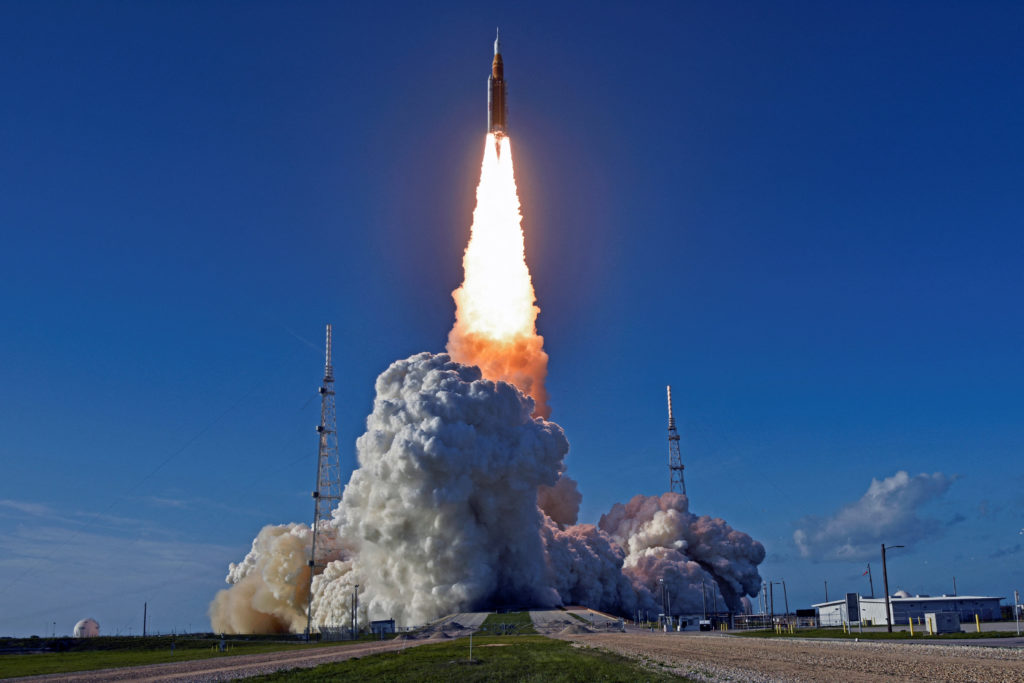
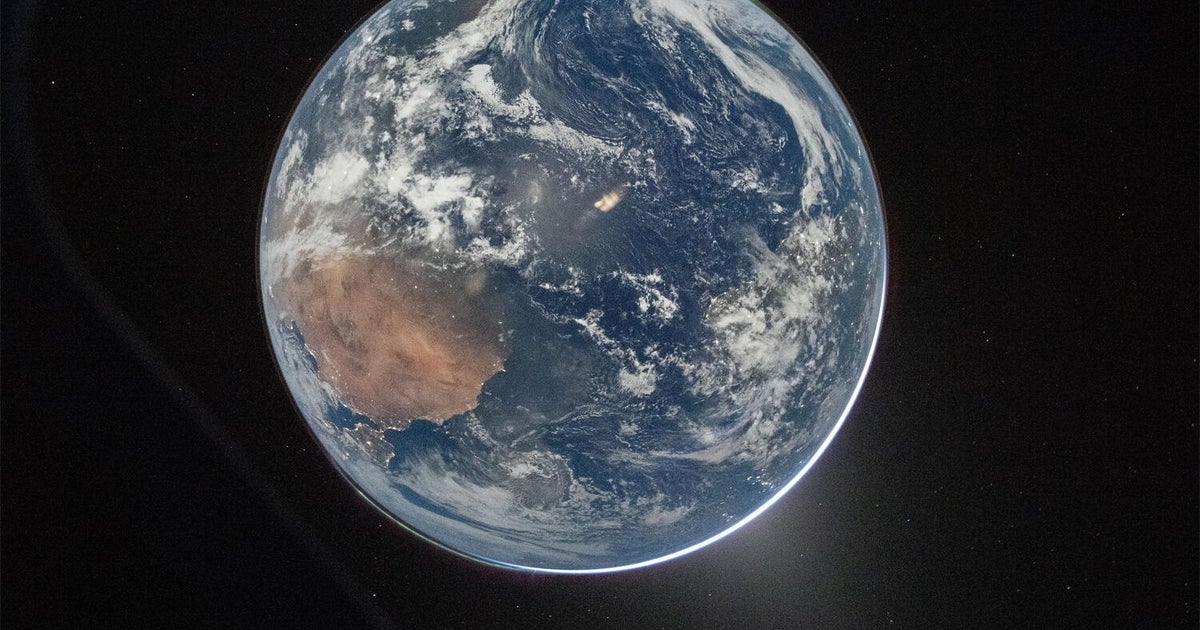
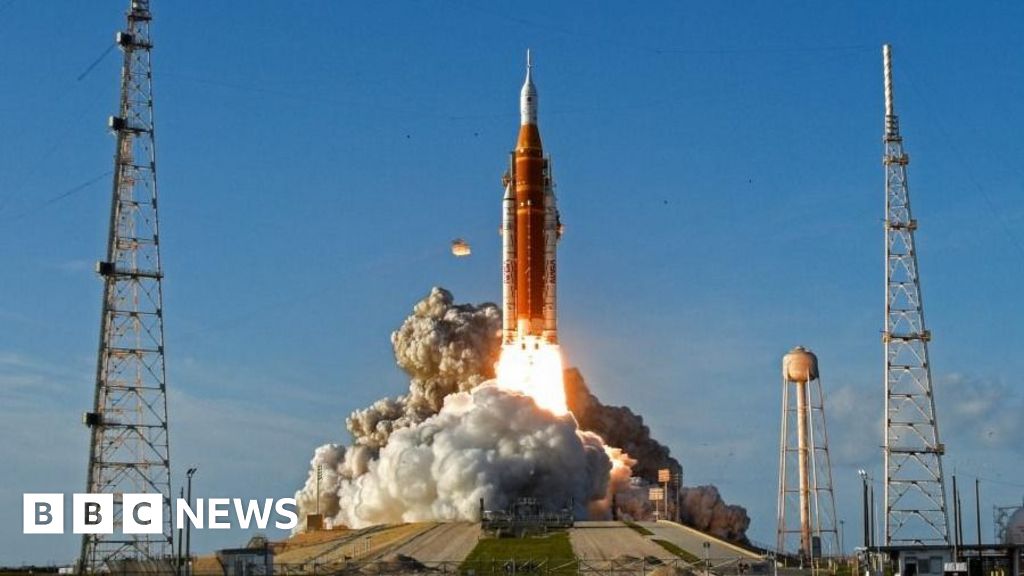
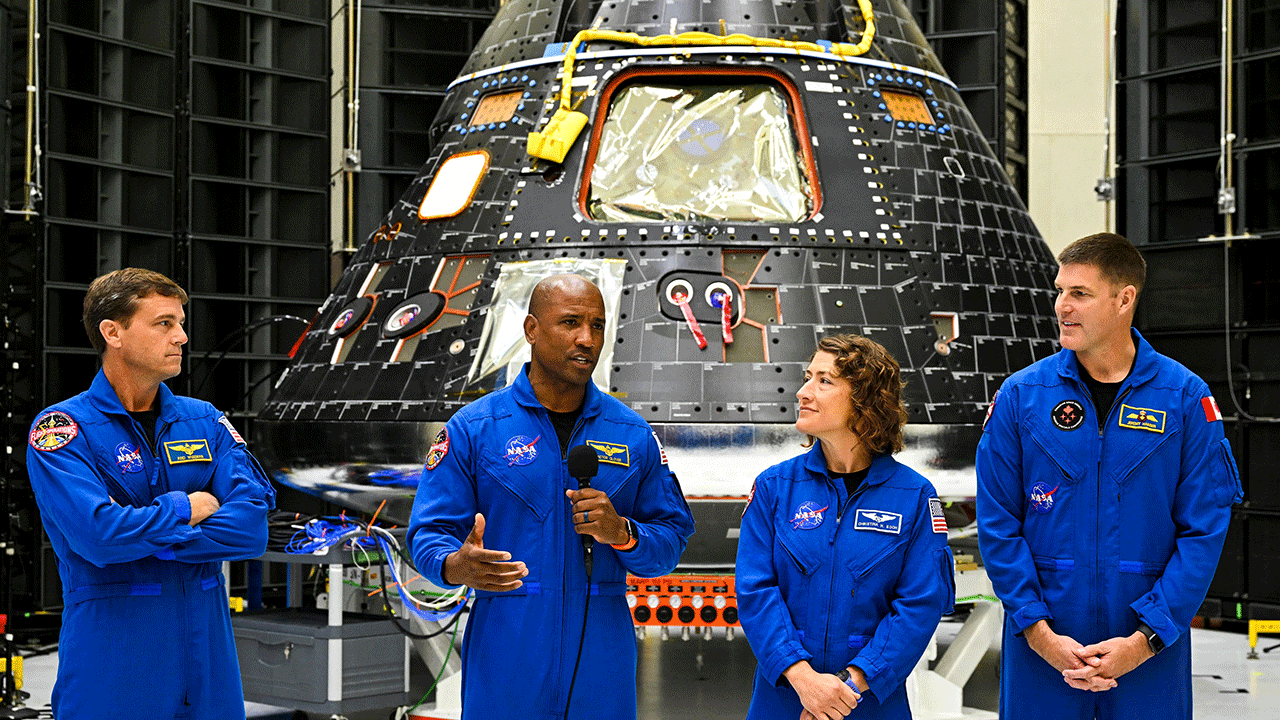
NASA's Artemis II mission achieved a significant milestone on April 3, 2026, as astronauts fired their engines 25 hours after liftoff, setting a course for a lunar fly-around. The crew, consisting of three Americans and one Canadian, is now on track to travel nearly 250,000 miles to the moon. NASA's Lori Glaze stated, "For the first time since 1972 during Apollo 17, human beings have left Earth orbit." The mission aims to pave the way for a sustainable lunar presence and a moon landing by 2028. The Artemis II crew has already made history by being the first Black astronaut, first woman, and first non-U.S. citizen to launch to the moon.
Key Takeaways
- • The Artemis II crew includes Commander Reid Wiseman, pilot Victor Glover, Christina Koch, and Canadian astronaut Jeremy Hansen.
- • The engine firing accelerated the Orion capsule to over 24,000 mph (38,000 kph) as it left Earth's orbit.
- • The mission is expected to break the Apollo 13 distance record set in 1970, with the crew traveling farther than any humans have before.
- • The astronauts will experience a total solar eclipse during their journey as the moon blocks the sun from their perspective.
- • NASA aims for a moon landing by two astronauts in 2028, with the Artemis II flight serving as a critical test for future missions.
Why This Matters
The Artemis II mission marks a pivotal moment in space exploration, reviving human travel beyond Earth orbit for the first time in over 50 years. This mission is not only a step towards establishing a sustainable human presence on the moon but also reflects a broader commitment to inclusivity in space exploration, as evidenced by the diverse crew composition. The success of Artemis II could influence international collaboration in future lunar and Mars missions.
Headline vs. Article Context
The headline emphasizes the live update aspect, while the article focuses on the mission's achievements.
This summary was generated by AI from original reporting by PBS NewsHour. Always verify important details with the original source.