Frankincense Trade Disrupted by U.S.-Iran Conflict
Originally: How an ancient resin traded for centuries got snarled up by the Iran war
90% Headline Accuracy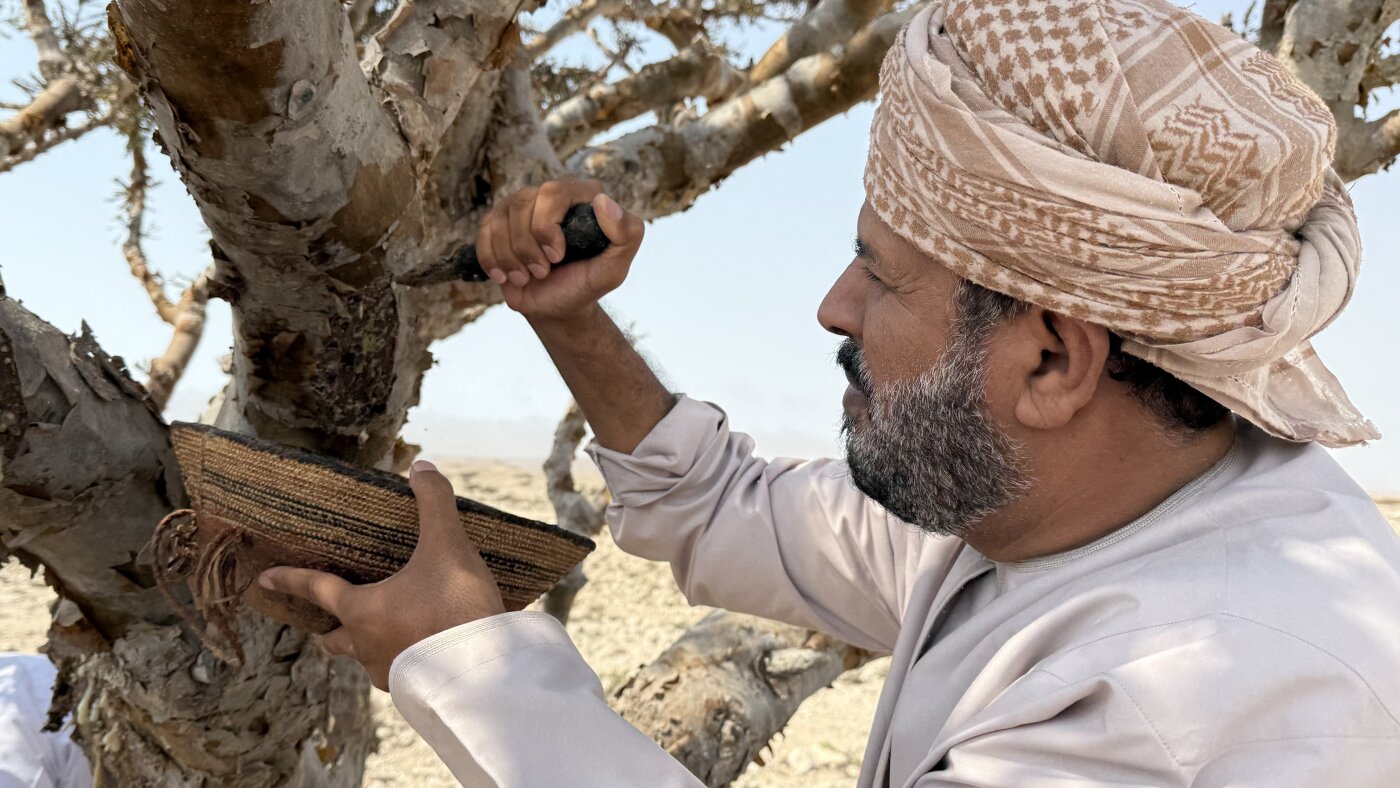
Frankincense, an ancient resin harvested from Boswellia trees, has been a significant export from the Arabian peninsula and Horn of Africa for over 6,000 years. The ongoing U.S.-Iran military operations have created uncertainty for frankincense imports, with one wholesaler noting, "Threats to close the Strait of Hormuz and rising war-risk surcharges are pressuring regional logistics costs." The conflict has compounded existing challenges, including higher costs from previous trade wars and environmental threats to frankincense production. The fragility of global supply chains is underscored by this situation, highlighting the importance of sustainable harvesting practices. The future of frankincense trade remains uncertain amid ongoing geopolitical tensions.
Key Takeaways
- • Frankincense has been traded for over 6,000 years, significantly predating crude oil exports.
- • The U.S.-Iran conflict has led to increased logistics costs and uncertainty for frankincense imports from Oman and Yemen.
- • An unidentified wholesaler reported rising war-risk surcharges impacting their business operations.
- • The majority of Boswellia trees, which produce frankincense, grow in the wild and are vulnerable to deforestation and over-harvesting.
- • The Save Frankincense Initiative promotes sustainable harvesting practices to protect this ancient trade.
Why This Matters
The disruption of the frankincense trade illustrates how modern conflicts can have far-reaching effects on historical trade routes and products. As global supply chains become increasingly interconnected, the fragility of these systems is highlighted, raising concerns about sustainability and the future of traditional industries. Understanding these dynamics is crucial as geopolitical tensions continue to evolve.
Headline vs. Article Context
The headline emphasizes the disruption caused by the conflict, which aligns with the article's content.
This summary was generated by AI from original reporting by NPR. Always verify important details with the original source.