Emperor Penguins Declared Endangered Due to Climate Change Effects
Originally: Emperor penguins listed as endangered species
95% Headline Accuracy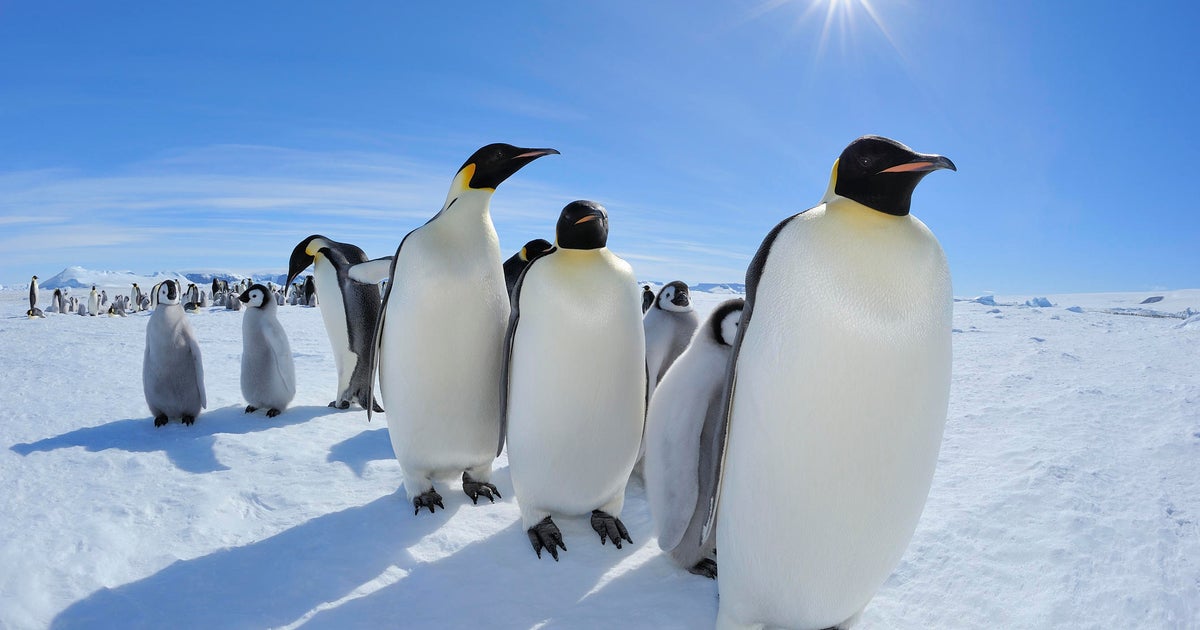
The International Union for Conservation of Nature (IUCN) has classified emperor penguins as endangered, a shift from their previous status of near threatened. This change highlights the severe impact of climate change on ice-dependent species, with predictions indicating that their population could be halved by the 2080s. Philip Trathan from the IUCN noted, 'human-induced climate change poses the most significant threat to emperor penguins.' The decline in sea ice, crucial for their breeding and survival, has led to a documented loss of around 20,000 adults, or 10% of the population, between 2009 and 2018. This classification serves as a critical indicator of the broader impacts of climate change on biodiversity.
Key Takeaways
- • Emperor penguins have been reclassified from 'near threatened' to 'endangered' by the IUCN.
- • Climate change is expected to halve the emperor penguin population by the 2080s.
- • Sea ice levels have been at record lows since 2016, impacting breeding and survival.
- • Around 20,000 adult emperor penguins disappeared between 2009 and 2018, representing 10% of their population.
- • The Antarctic fur seal has also been moved to the endangered category due to similar threats.
Why This Matters
The reclassification of emperor penguins underscores the urgent need to address climate change, as their survival is closely tied to stable sea ice conditions. This situation reflects broader ecological shifts affecting various species and highlights the critical role of conservation efforts in mitigating the impacts of global warming. The decline of such iconic species may serve as a wake-up call for global climate action.
This summary was generated by AI from original reporting by CBS News. Always verify important details with the original source.