BBC Russian Marks 80 Years of Defiance Against Kremlin Censorship
Originally: From jammed broadcasts to a blocked website: BBC Russian's 80 years of defiance
90% Headline Accuracy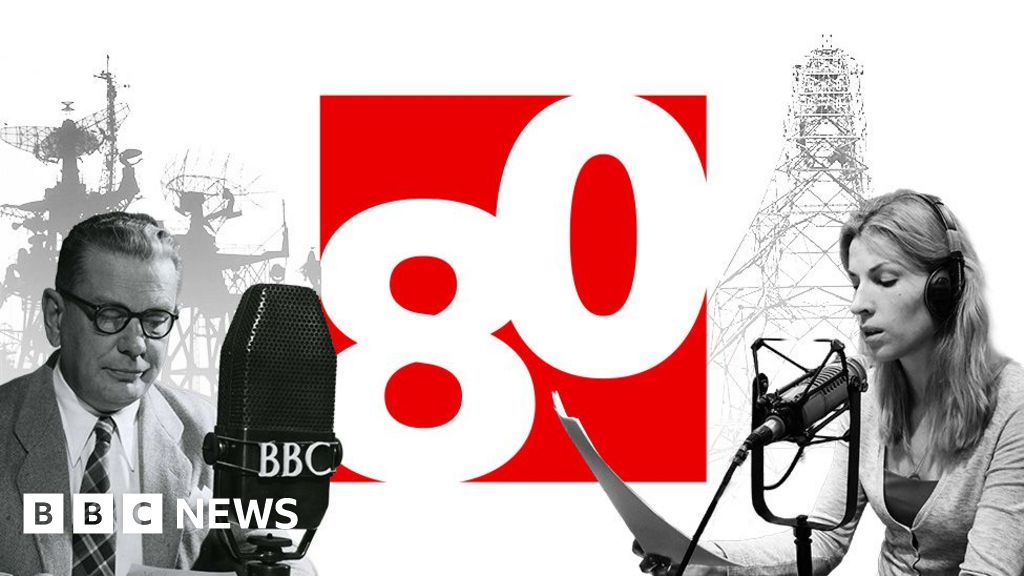
BBC Russian has been broadcasting since March 24, 1946, providing an alternative to Soviet propaganda. Over the decades, it faced jamming of broadcasts, which began in 1949, and more recently, its website was blocked in Russia on March 4, 2022. The audience surged to 10 million during the early days of the Ukraine invasion, and now reaches 12 million weekly despite increasing censorship. Jenny Norton, head of BBC News Russian, emphasized the importance of their service, stating, "A new generation of Russians are now having to fight to stay connected to the world." The ongoing struggle against censorship highlights the critical role of independent journalism in repressive regimes.
Key Takeaways
- • BBC Russian began its broadcasts on March 24, 1946, targeting Soviet listeners.
- • Signal jamming of BBC broadcasts started in 1949 and continued for decades.
- • The BBC's website was blocked in Russia on March 4, 2022, amid the Ukraine invasion.
- • BBC Russian's audience increased from 10 million to 12 million weekly since the invasion began.
- • Eight BBC Russian journalists have been labeled 'foreign agents' by the Russian government.
Why This Matters
The ongoing censorship in Russia reflects a broader trend of authoritarian control over information, reminiscent of Cold War tactics. As the Kremlin tightens its grip on media, the resilience of outlets like BBC Russian underscores the importance of independent journalism in safeguarding free expression. This situation may influence how other countries approach media freedom and censorship in the digital age.
Headline vs. Article Context
The headline emphasizes defiance, which aligns with the article's focus on resistance against censorship.
This summary was generated by AI from original reporting by BBC World. Always verify important details with the original source.